Make the maths audible.
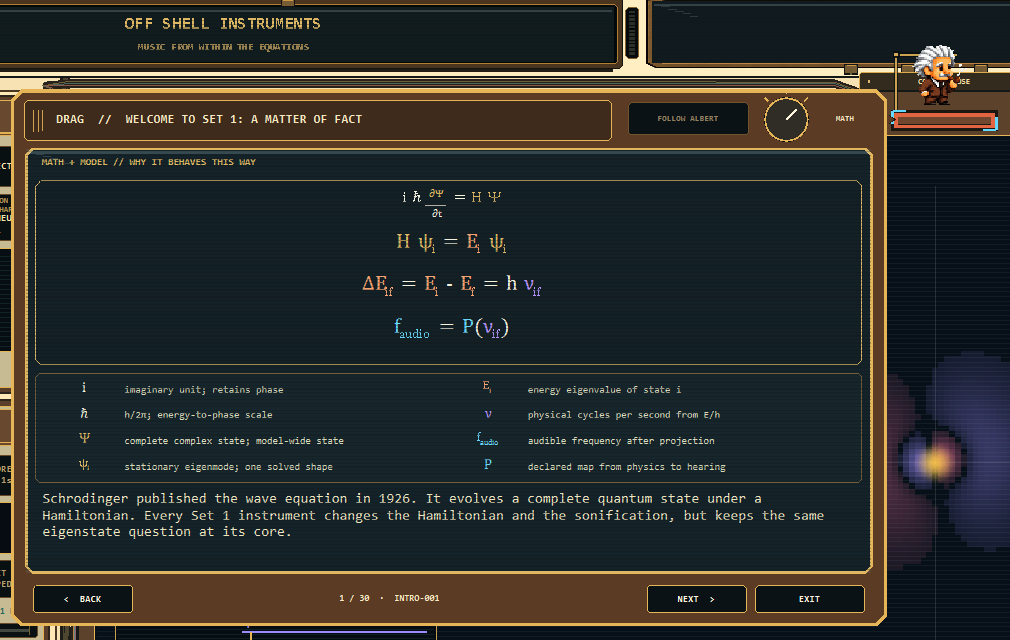
Real modes, eigenstates, coupling and phase become expressive sound engines—without pretending the musical mapping is the physics.

In physics, off shell (or off the mass shell) means that a particle or system does not follow the standard classical rule connecting its energy, momentum and mass.
I think that is a fitting name for this project. I am a one-man team looking for non-standard ways to do standard musical things, through which cool ideas in nature can be explored and used as creative starting points.
“Everyone always says physics is music and music is physics—but what does that actually sound like?”
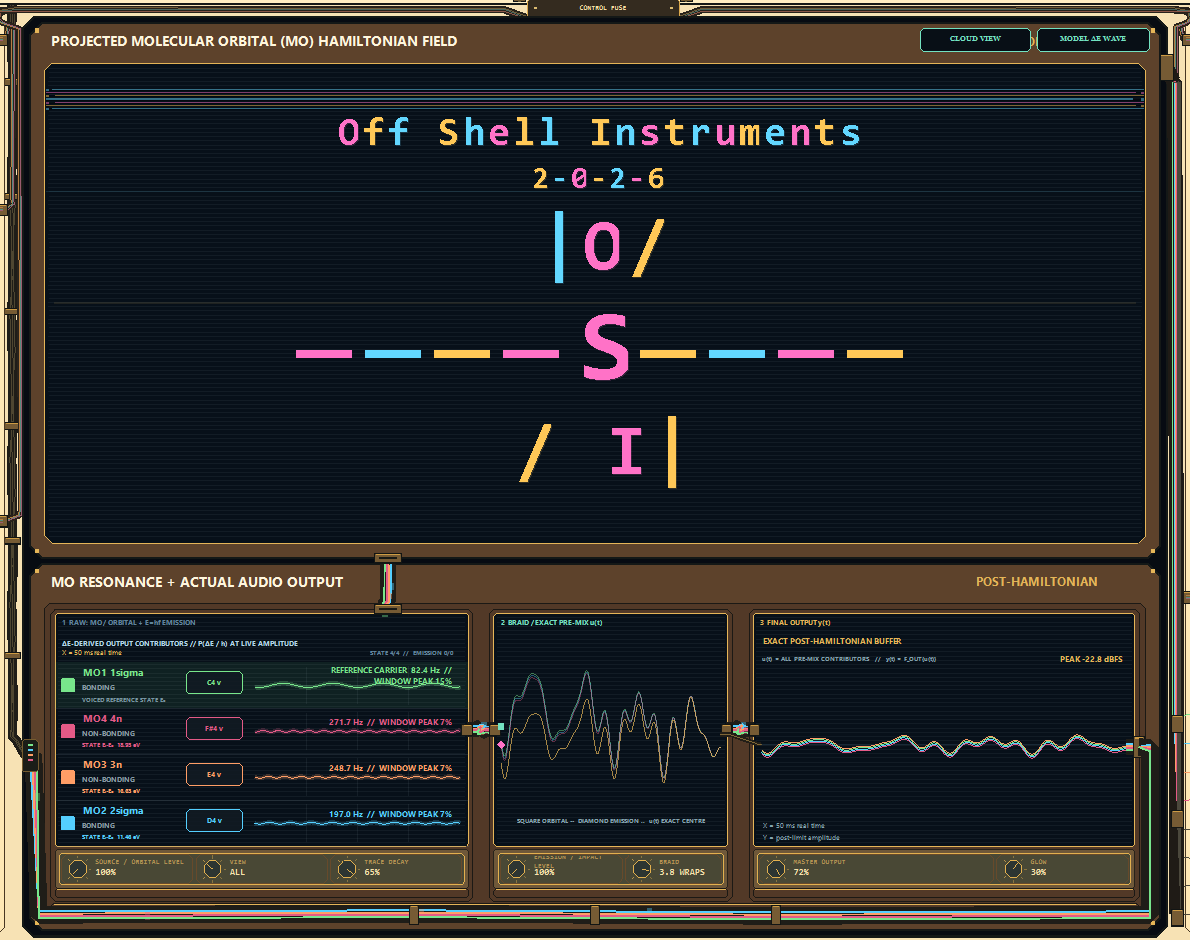

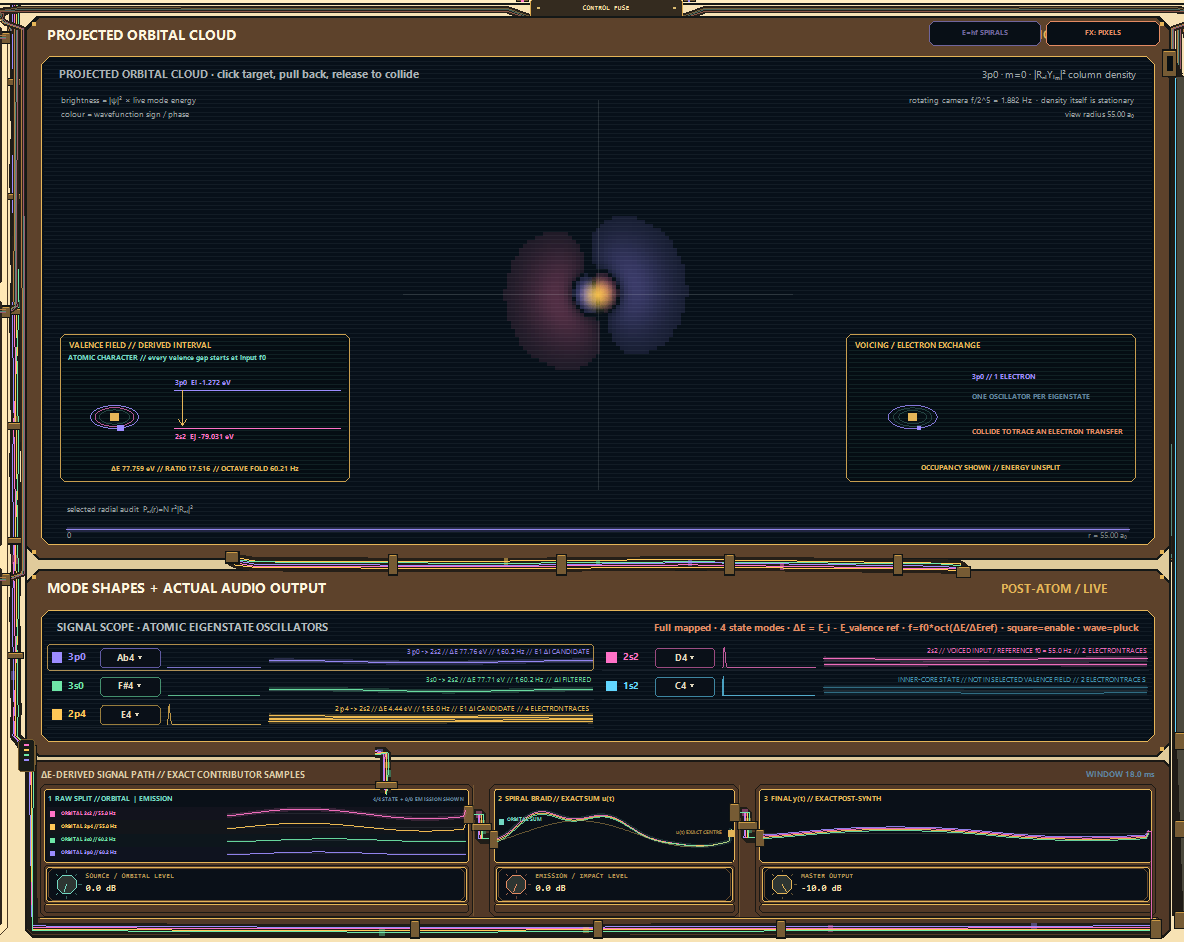
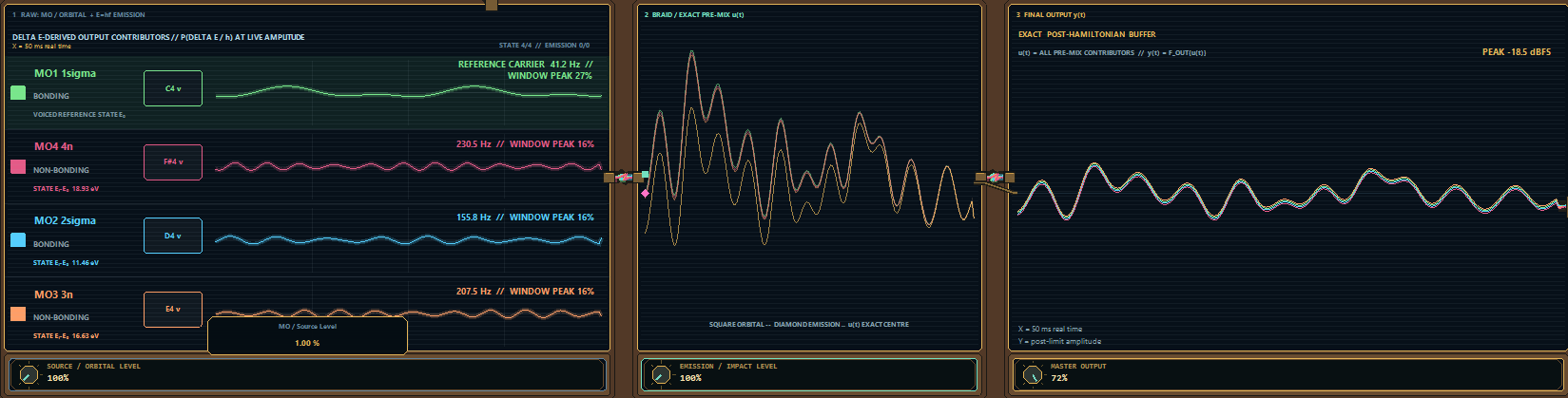
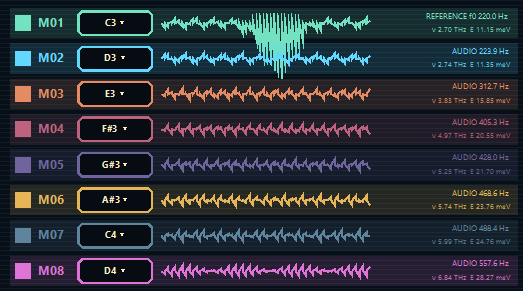
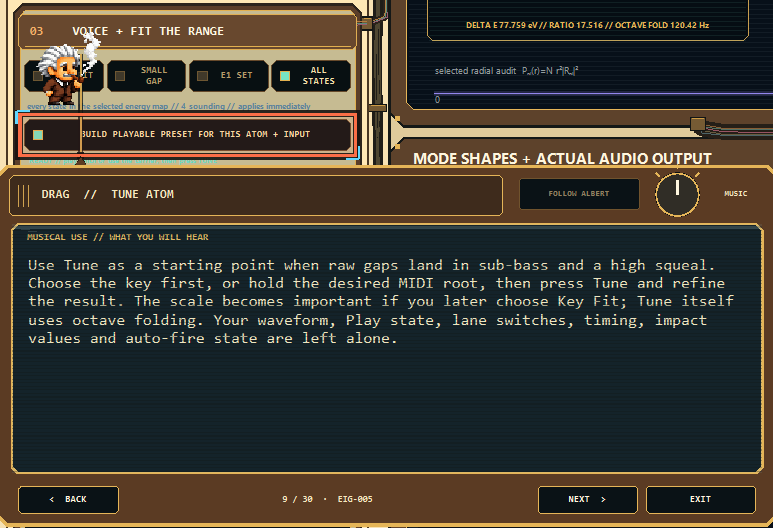
Real modes, eigenstates, coupling and phase become expressive sound engines—without pretending the musical mapping is the physics.
Music first. The model stays visible. The line between physical equations and sonification stays labelled.
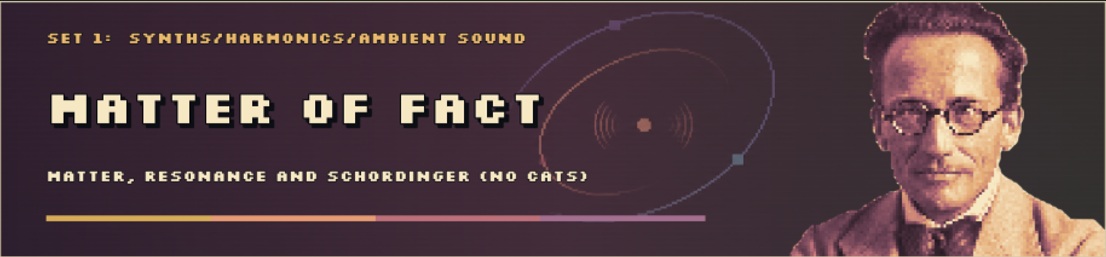
Matter, molecules and how it resonates. Three physics-native instruments turn electron states, chemical bonds and crystal lattices into playable sound. US$14.99 each, or US$39.99 for all three in the set.
Play the element three ways. The orbital cloud, probability trace, oscillator scopes and sound all respond together—part learning tool, part visual instrument, part generator of unexpected musical ideas.
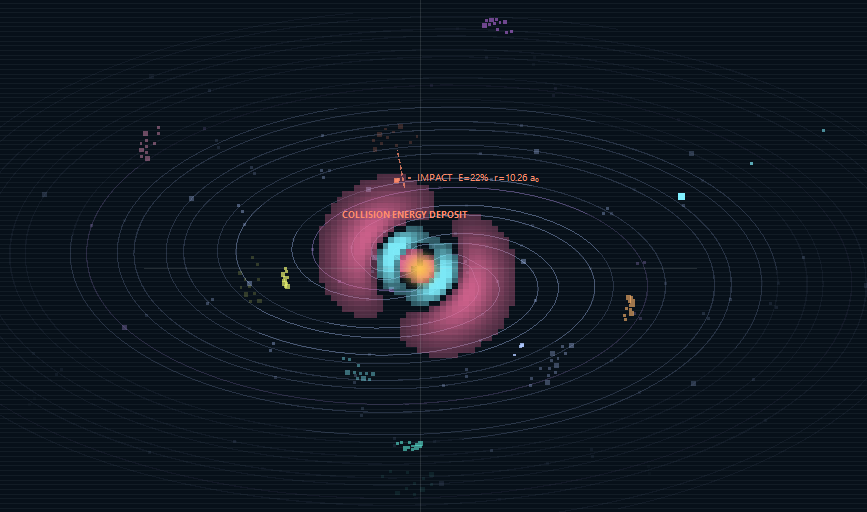
Click an occupied mode to pluck its oscillator, then pull back and release the collision target. The impact excites linked modes while the cloud, probability plot and output scope show the response.
Trigger the element as one complete chord, or bind each occupied mode to a specific MIDI note for deliberate, repeatable keyboard performance.
Cycle through the active elemental modes with the built-in arpeggiator and turn an electron configuration into an evolving phrase inside your DAW.
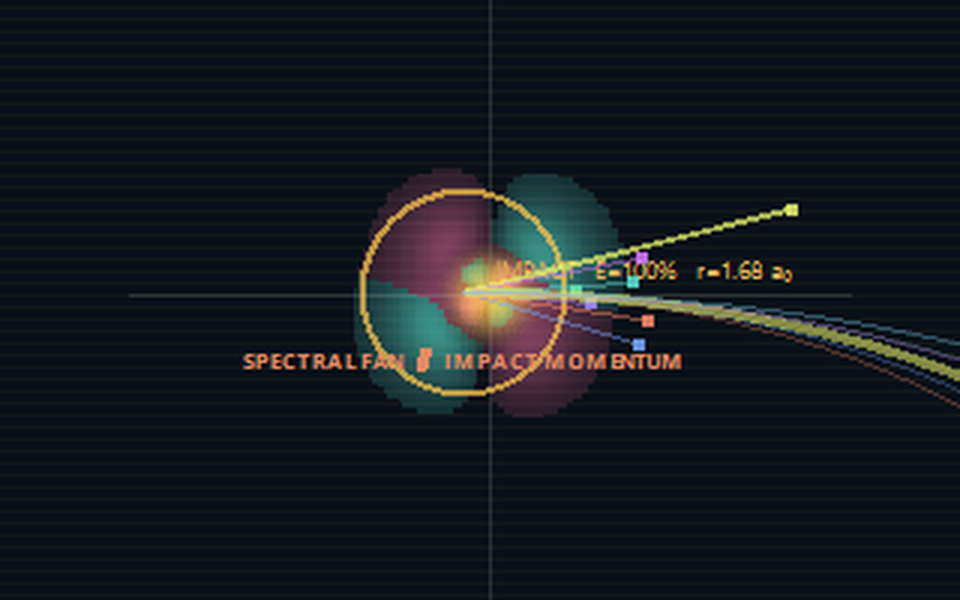
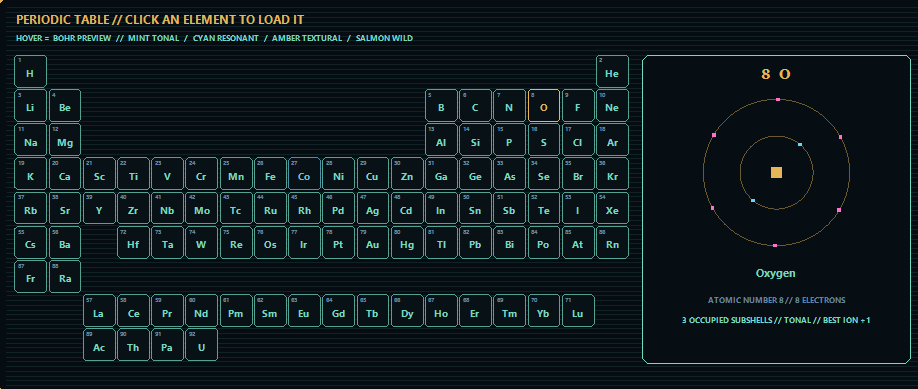
Choose an element and hear its occupied electron states as a bank of playable oscillators. The same model drives the sound, orbital cloud and live scope.
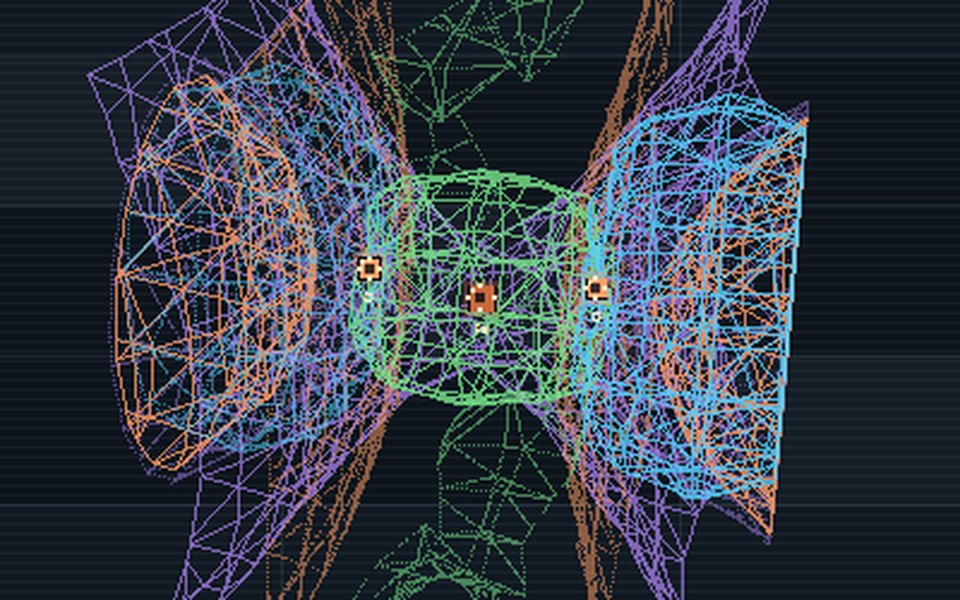
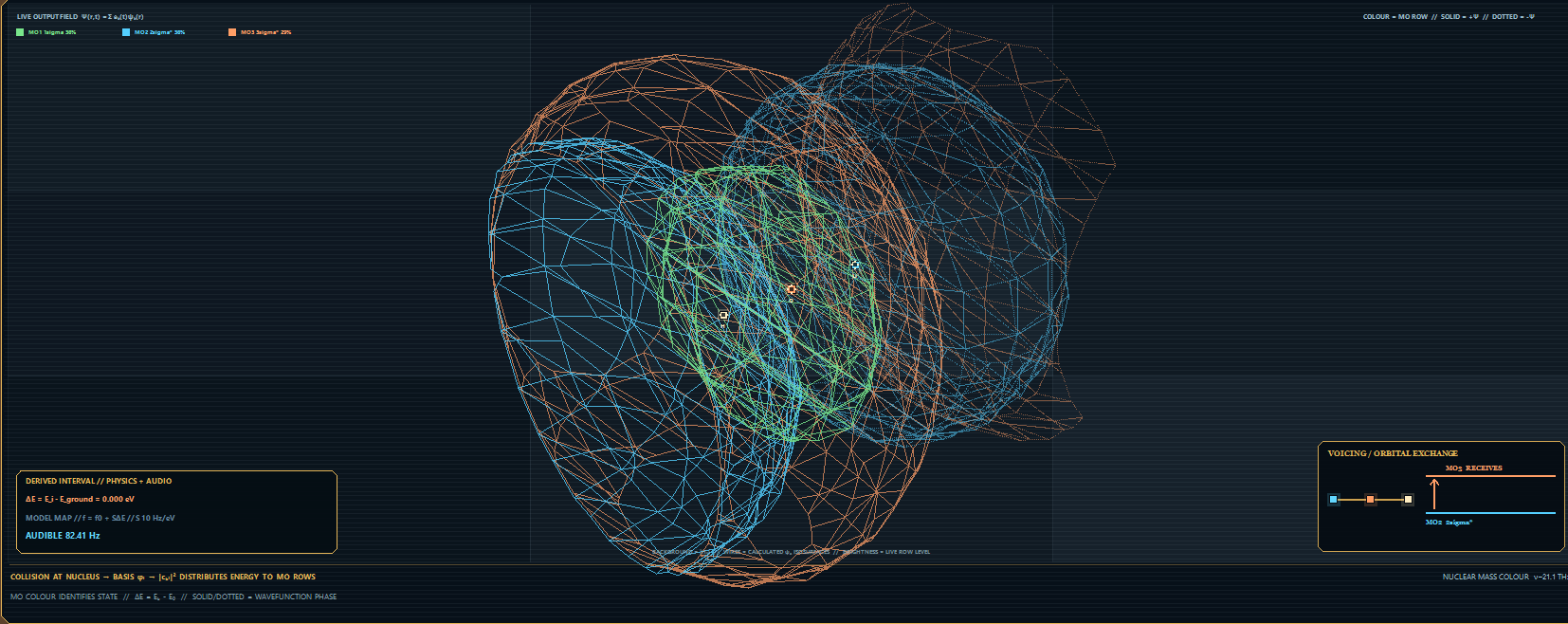
Molecular bonds generate intervals and chord structures while bond strength, length and geometry shape tuning and voicing.
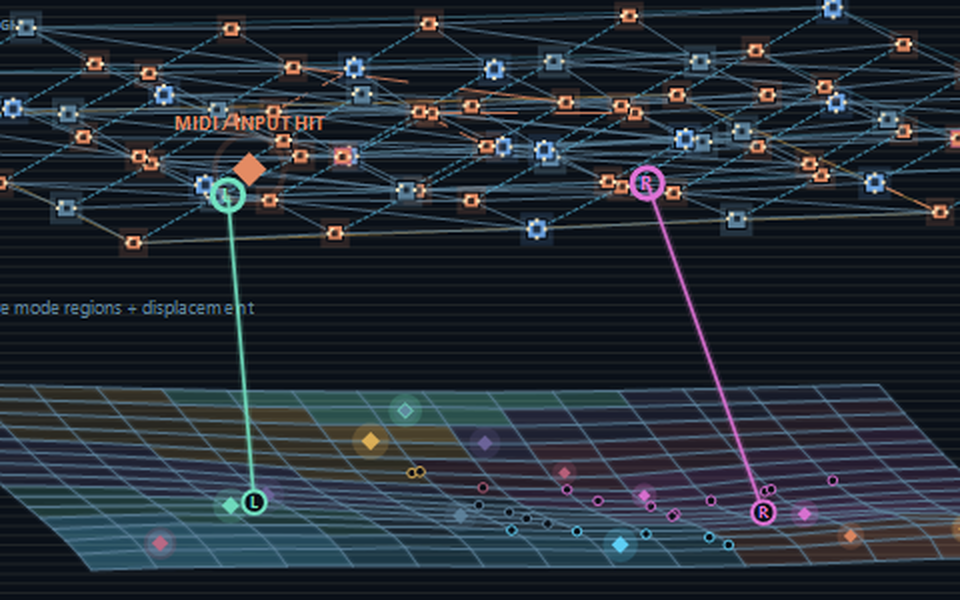
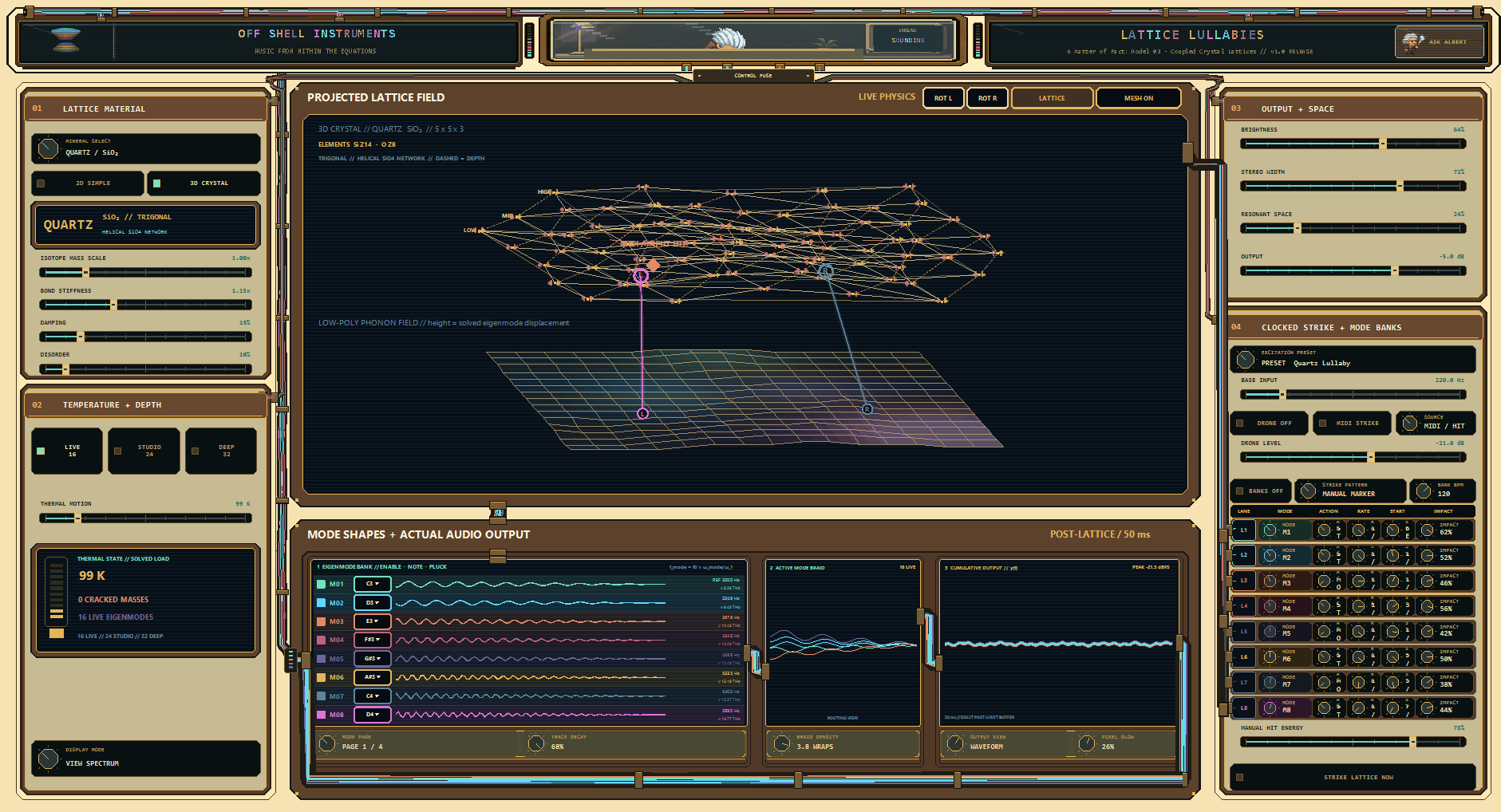
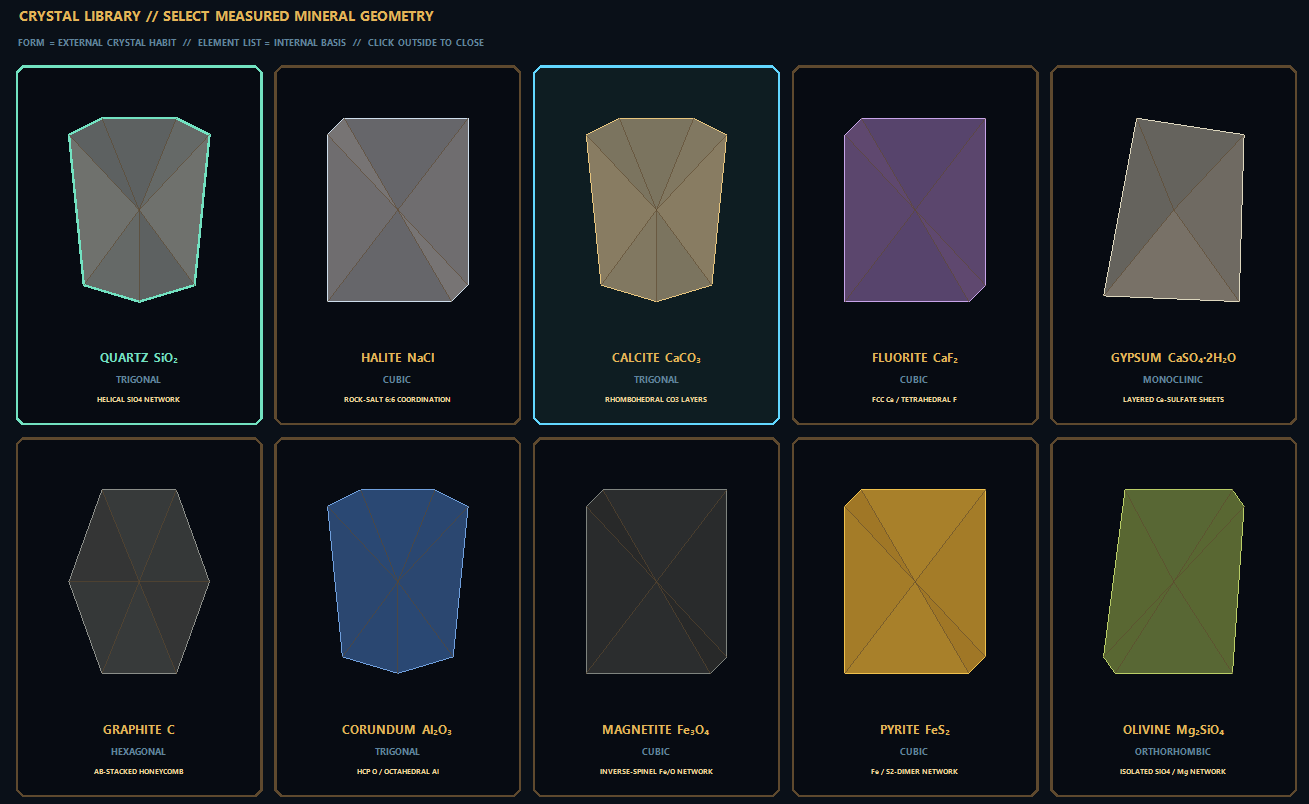
Crystal structures become networks of coupled oscillators: phonon modes become resonances while temperature and defects disturb the pattern.
US$14.99 each. VST3 for Windows and macOS, Audio Unit for macOS and standalone applications. Releases August 17, 2026.
View the Set 1 packOne artist track slot for each instrument in the set.
 VST usedEigensynth
Off Shell Instruments 2026
VST usedChemical ChordsArtist name @artist_handle
VST usedCrystal Lattice LullabiesArtist name @artist_handle
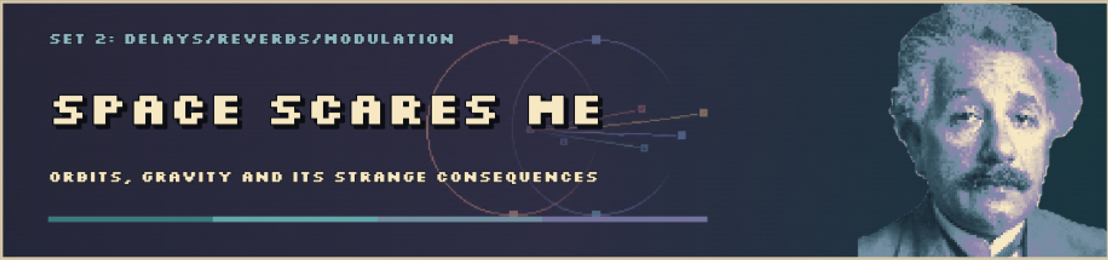
Orbits, Einstein and deep-space sounds. Three instruments for celestial sequencing, curved-spacetime delay and pulsar-driven rhythm. US$14.99 each, or US$39.99 for the set.
US$14.99 each. Three feature tabs will open with the September 17, 2026 release.
One artist track slot for each instrument in the set.
 VST usedNewton's Celestial Sequencer
Artist name @artist_handle
 VST usedDJ Einstein's Geodesic Radio
Artist name @artist_handle
 VST usedPulsar Pumper
Artist name @artist_handle
Dirac, spinors and fields become percussion systems built from phase, interaction diagrams and quantised energy. US$14.99 each, or US$39.99 for the set.
US$14.99 each. Three feature tabs will open with the October 17, 2026 release.
One artist track slot for each instrument in the set.
 VST usedDirac the Drummer
Artist name @artist_handle
 VST usedFeynman's Bongos
Artist name @artist_handle
 VST usedPlanck's Plink
Artist name @artist_handle
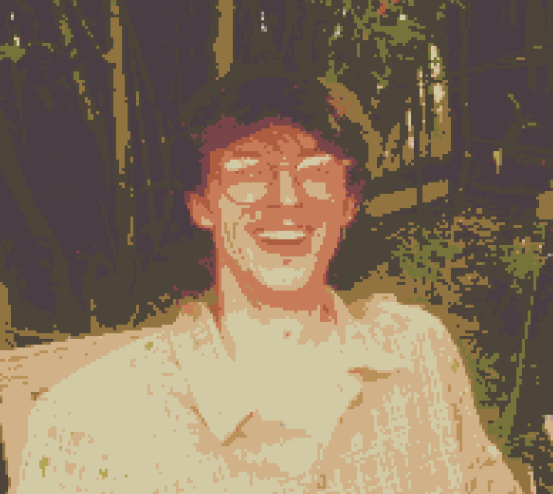
I’m a musician and a professional scientist. Physics, music and higher maths seem like polar opposites of the human experience to many people, but I’ve been pretty obsessed with the idea that they are essentially the same thing—and I’m not just talking about masses on springs.
I’ve spent years working in numerical modelling and have decided I’d rather try to do something a little more off the shell.
Thanks for stopping by. If you picked up a VST, I hope you’re making something weird today.
— Tom, the only person on the team, so therefore the boss

